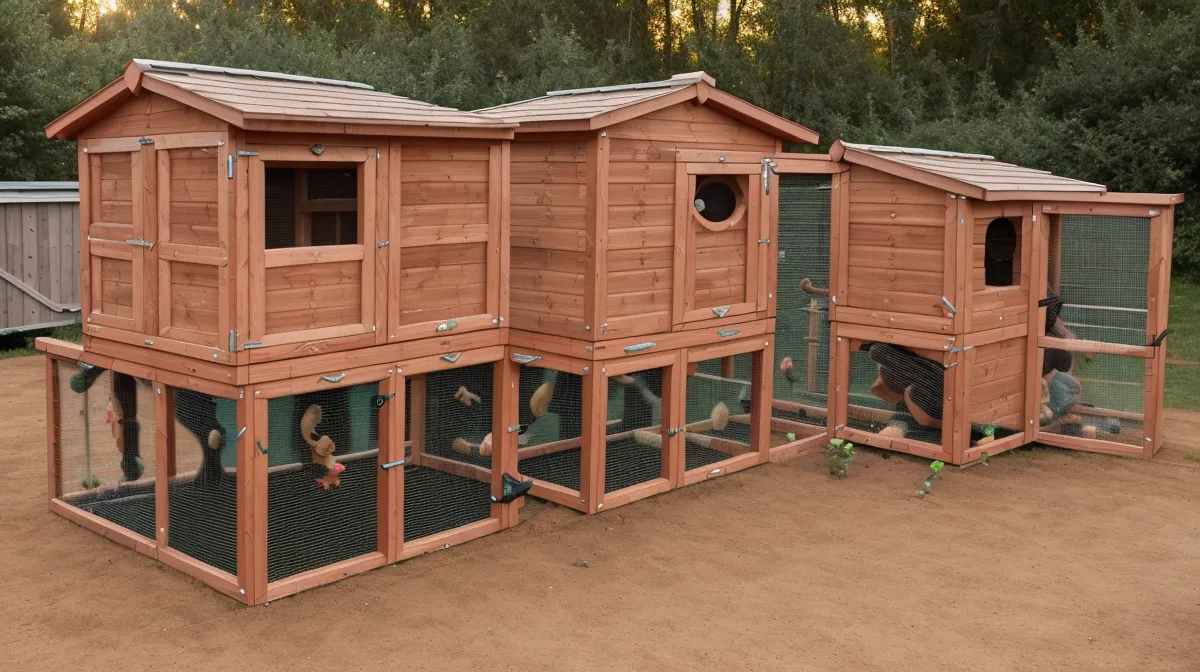
Red clay does not let go of canvas gloves — ours are still faintly orange along the seams, months after the last footing went in. That stain is basically the trademark of backyard DIY around here, and it is the reason this homesteading kick started in the first place. We are not contractors, we are not architects, just two people on a half-acre lot on the edge of Chatham Mills, outside Pittsboro, trying to turn cost savings into something more than a phrase people throw around. This is our honest review of the guide that got our chicken coop build, and a good chunk of the rest of the yard, actually finished.
Quick disclosure before we go any further — this post contains affiliate links, and if you click through and buy something, we earn a small commission at no extra cost to you. We only ever recommend plans and tools we have personally hauled out into our own mud and used, so none of this is a paid opinion dressed up as advice.
Building from someone else's tested plans instead of winging it turned out to matter more than we expected — our shed build already taught us why solid footings matter more than almost anything else in a frame, and that lesson followed us straight into this one. That is basically how the Self Sufficient Backyard guide ended up in our hands: not because we suddenly gained skill, but because we had already spent plenty of stubbornness figuring things out the slow way.
Chicken Coop Build: The Contractor Quote That Sent Us Looking for Plans
Before any of that, we did the responsible thing and tried hiring the work out. First it was a day laborer we found through a neighborhood referral — no written scope, just a handshake and a rough idea of what we wanted, and the whole project just STALLED, halfway through, the second his priorities and ours stopped lining up. Lesson learned the expensive way: get it in writing, every single time, no matter how casual the arrangement feels at the start.
After that fell apart, we called an actual contractor for a proper quote on the coop and run — nothing elaborate, just enough structure to keep the foxes out. The number he wrote down came in at almost exactly TRIPLE what we had set aside for the whole project, and I remember standing in the driveway, looking at her, and saying just hand me the plans, we will figure this out ourselves.
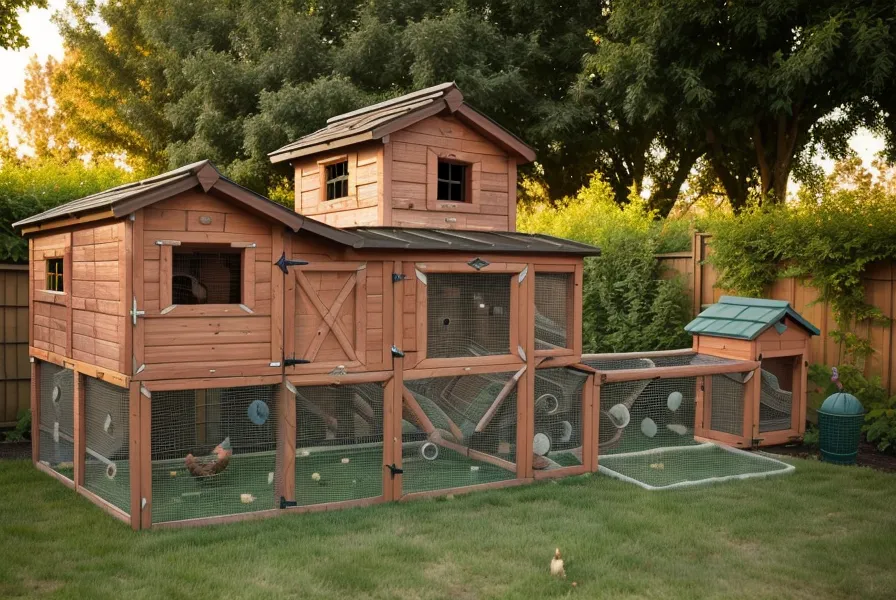
Funny enough, a reader named Wanda Telfair wrote in after we first posted about that coop, wanting to know whether a plain A-frame design actually holds up once real winter weather hits. Wanda writes in these long, polite paragraphs, and she always has a follow-up question waiting before you have finished answering the first one. Ours is a simple four-by-eight A-frame with the run stretching back toward the fence line, and so far it has done exactly what it is supposed to do, ice mornings included.
What we actually wanted was bigger than one building, though. We wanted the coop, the beds, and the water setup to work together as one small homestead, not a scattered pile of backyard projects with nothing tying them together.

What Does the Self Sufficient Backyard Guide Actually Cover?
Compared to something like TedsWoodworking, which throws more than 16,000 plans at you covering everything from pergolas to full workshops, the Self Sufficient Backyard guide is a much narrower animal. It reads more like a project roadmap for a working yard than a library you browse for inspiration. Coops, raised beds, root cellars, small-scale water collection, even some off-grid power material that made her nervous and made me a little too excited — all of it is built around the idea that your yard is one system, not a pile of separate projects.
Think of it less like a cookbook with five hundred recipes and more like one meal plan for the whole week, with fewer choices but where every piece works with the others. Why sift through thousands of options when you already know what your yard needs to become?
Hire It Out or Build It Ourselves?
Hiring it out means you pay for someone else's time, tools, and judgment, and you get a finished structure on their schedule instead of yours. That part is genuinely appealing when you are staring at a stack of lumber with no idea where to start. Building it ourselves meant learning things the guide did not always spell out, like why the deck project taught us to check what the county actually requires before you start digging — permit questions look small right up until they are not.
We also learned fast that not all lumber behaves the same once it is outside — pressure-treated versus untreated is a whole conversation on its own, and around here the humidity does not wait for you to figure it out. Cut a board to fit on one afternoon, and by the next morning it can already be too snug for that same notch, swollen up just enough that you are back out there with a plane before the project has even really started. Half the salvaged lumber stacked beside our workshop right now is sorted by length under a tarp for exactly that reason, so we are not guessing twice.
And there is always that moment mid-build where you realize square, level, and plumb are three different things that all have to agree with each other before anything gets attached — we did not fully appreciate that until we were the ones holding the level.
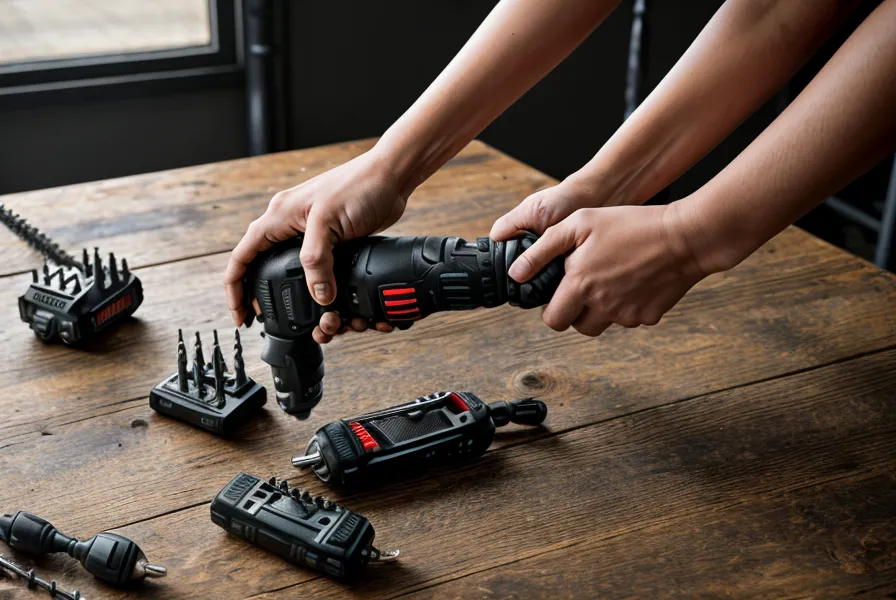
Hardware cloth turned out to be the one material that fought us the whole way through — stapling it drum-tight around a wooden frame is fussier than it looks, and we went through more hardware cloth than we originally budgeted for before the run finally sat right.
The Cost Savings Nobody Puts an Exact Number On
Our friend Patrice, who we know through the neighborhood Facebook group, keeps a running spreadsheet of every dollar she puts into her raised beds, and she will be the first to tell you that DIY only pencils out if you actually track it instead of just assuming it is cheaper. We did something similar with the coop, weighing the contractor quote against our own material runs, and the gap was not subtle — building it ourselves landed at a fraction of what either the day-laborer situation or the contractor quote would have cost us, guide included.
The Self Sufficient Backyard guide is what tipped the math in our favor here, same as it did on an earlier coop project we wrote about, where the contractor route and the DIY route were not even close to the same range. The guide itself costs about as much as a couple of bags of decent chicken feed, and if it saves you even one wasted trip to the hardware store, it has already paid for itself.
Budgeting a backyard build is a lot like grocery shopping hungry — go in without a plan and you come home with three things you did not need and none of what you actually wanted. A guide like this is basically the shopping list.
Self Sufficient Backyard, TedsWoodworking, or My Shed Plans — Which One Actually Fits Your Yard?
If your whole wishlist is one specific, nail-by-nail workshop or storage building, My Shed Plans is probably the better fit — it leans hard into sheds and storage structures specifically, and the foundation and permit guidance built into it saved us a real headache while we were sorting out our own workshop plans. If you want a massive catalog to pull from for years, project after project, TedsWoodworking is the one with the sheer volume — over 16,000 plans covering pergolas, decks, gazebos, and everything in between, with cut lists detailed enough that we used them with zero carpentry background going in.
Self Sufficient Backyard is the one to grab when you want the coop and the beds and the water setup treated as one connected project instead of three separate ones, and when your lot is at least a quarter acre so there is actually room for all of it. Choose My Shed Plans when the only thing on your list is a single structure and you want permit help baked in. Choose TedsWoodworking when you already know you will be building more than one thing over the next few years and would rather search a huge library than wait on the next idea. Choose Self Sufficient Backyard when the actual goal is turning the whole yard into something that produces food, not just storage space.
Our Verdict From Chatham Mills
None of this makes us master builders. We still measure something wrong at least once a project, and the pile of scrap wood behind the workshop is not going anywhere soon — that building has two walls sheathed in OSB and one side that is still just a stretched blue tarp, and we are in no hurry to fix that this year. But the coop is full of birds, the beds are coming in, and none of it cost us anywhere close to what those first quotes did.
If you are sitting on a half-built dream and a quote that made your stomach drop, save yourself the day-laborer detour and just grab a copy of the Self Sufficient Backyard guide. You will still get muddy, you will still text a photo to someone asking if that board looks straight to them, but there is nothing quite like standing in your own backyard looking at something you built yourself — and knowing exactly why it cost so much less than the alternative.