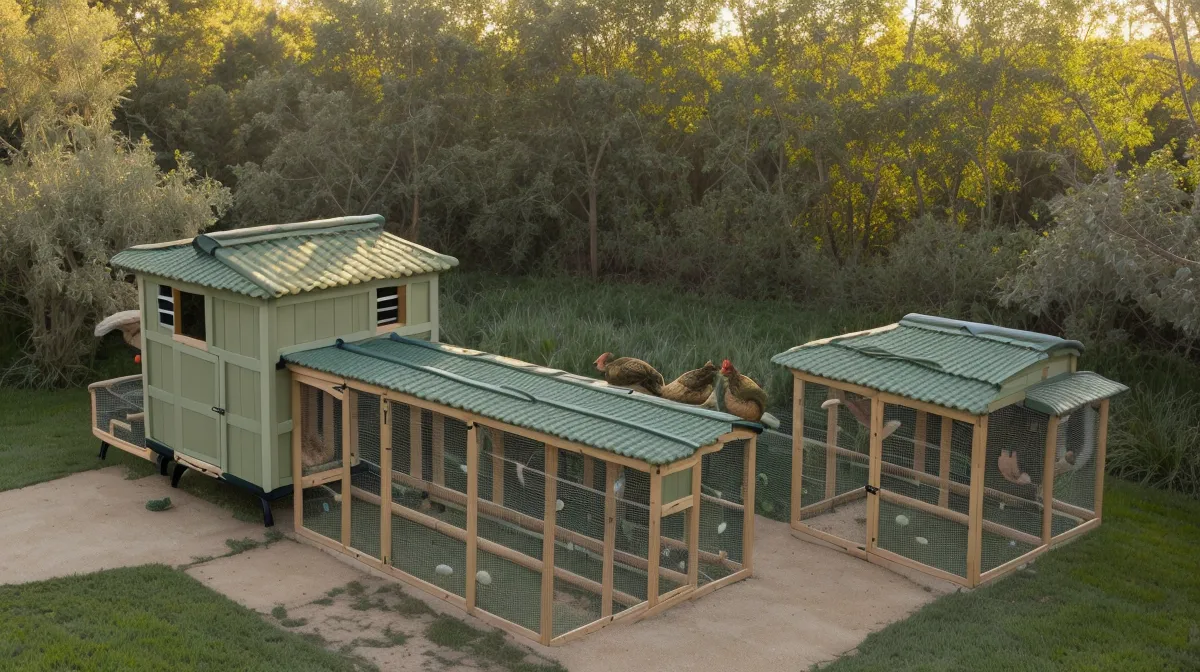
A contractor's chicken coop quote lands at twenty-four hundred dollars for what is, structurally speaking, a shed with a ramp. We didn't have a good answer standing in the backyard holding that estimate. Budget homesteading has a way of turning backyard building into a math problem nobody assigned you, and this particular chicken coop DIY build turned into the project that finally forced us to work out where all that money actually goes.
Why Does a Chicken Coop Quote Hit $2,400?
He: Contractors aren't padding that number out of spite. A chunk of it is labor, sure, but a bigger chunk than people expect is the stuff that never shows up on the invoice — knowing how to frame a door so it doesn't sag by summer, knowing which way a roof pitch needs to run so rain doesn't pool over the nesting boxes, knowing where the studs go before the studs go anywhere. That knowledge has a price tag whether or not it's itemized.
She: Here's the myth we half believed for a week: that the gap between their price and a DIY price is basically pure markup, and once you strip that away you're left holding the same result for less money. That's not quite it. The gap is closer to the cost of a system — a set of decisions somebody already made correctly, over and over, until they stopped getting them wrong. Borrow that system yourself and the price gap becomes yours to keep instead of theirs to charge.
The Real Budget Homesteading Math Behind Six Hundred Fifty Dollars
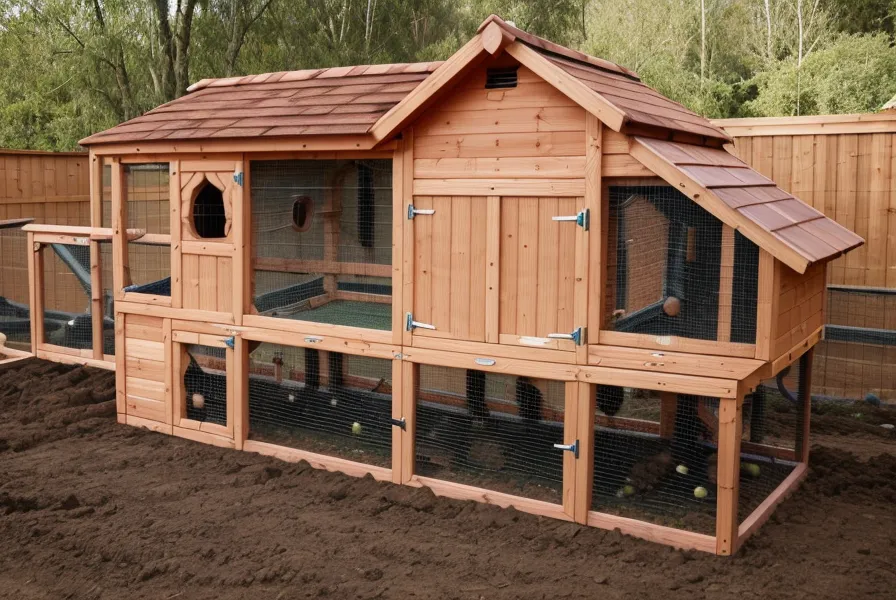
He: Lumber for the frame, hardware cloth for the run, enough roofing to shed a Piedmont downpour — that's most of where six hundred fifty dollars went, and none of it required a specialty order. We built it raised, a 4x8 A-frame with an attached run set about twenty feet off our back fence line, mostly because a coop sitting flush on red clay turns into a swamp by March.
She: Jonas, from our county DIY Facebook group, asked how we got the number that low. I told him the honest answer: we didn't cut corners, we cut the guesswork. He nodded, snapped a dozen photos of his own half-built run for a write-up I'm fairly sure will never get finished, and headed back to his truck.
Stop Eyeballing the Cuts
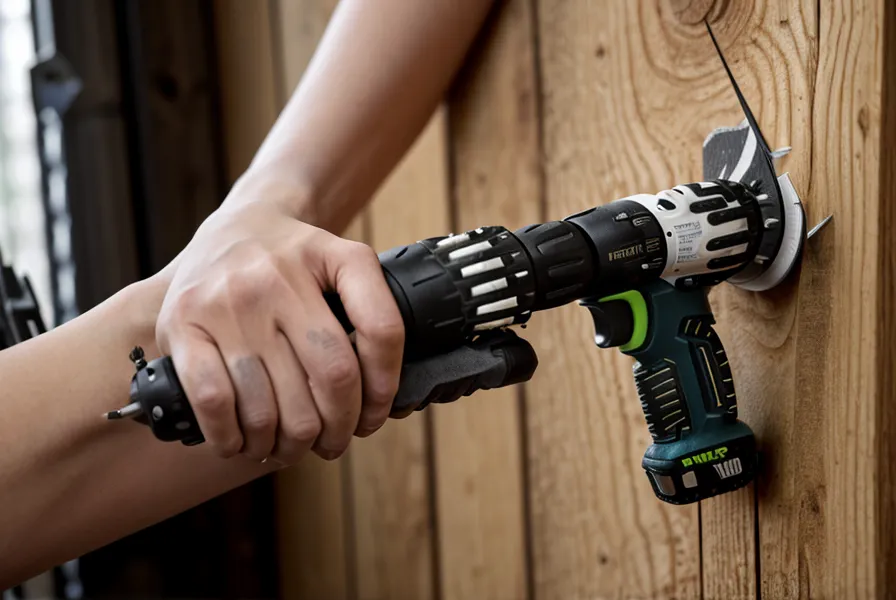
He: We eyeballed a deck frame once, on a different project, confident a twelve-foot span couldn't be that hard to keep square by feel. It came out three inches out of true. THREE. On a deck, that's an annoying afternoon of correction. On a coop wall meeting a roofline, that same shortcut turns into a door that won't close and a run that gaps at exactly the corner a raccoon needs.
She: So on this build, when I set the level across the coop's top plate, the bubble floated dead center on the first try (no shim anywhere near it) and for a second I didn't trust it. Had to check it twice. We've made enough square-and-level mistakes on other builds to know a reading like that means the boring measuring got done right, not that we got lucky.
Plans Are Not Optional, Even for a Chicken Box
He: Building without a plan is like packing for a road trip by throwing whatever's near the door into the trunk; you'll get somewhere eventually, but you're buying snacks twice and forgetting the phone charger. TedsWoodworking gave us a cut list for the coop that meant one trip to the lumber yard instead of three, and it covered framing details we'd have absolutely botched on our own, like door clearance for humidity swelling. Even with the right plan in hand, a knot in a green pine stud will still catch the bit and send a jolt straight up through both wrists — no blueprint fixes that part.
She: That single change is why we stopped winging it on anything bigger than a birdhouse. If a full coop feels like too much commitment before you've built anything, something like My Shed Plans is a reasonable place to practice framing and roofing at a smaller scale first — we just needed something built around livestock, not storage.
Is Cheaper Hardware Cloth Actually Cheaper?
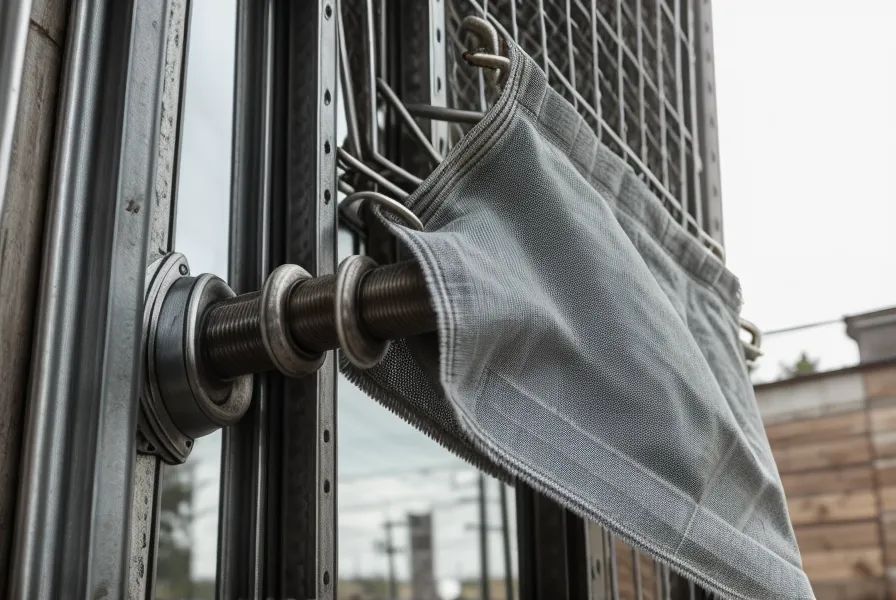
He: Chicken wire is not predator-proof, no matter what the name implies; raccoons treat it like wet cardboard, reaching through gaps that look plenty small until you watch one work at it for ten minutes. Why pay more for half-inch hardware cloth when the cheap stuff is sitting right there on the same shelf? Because the alternative is explaining to yourself at 6 a.m. why the run is empty.
She: We buried it about twelve inches deep around the run's perimeter, which is its own miserable afternoon in NC red clay, and it's the same reasoning that goes into footing depth on anything bigger; the shed build taught us that footing questions never have a one-size answer, they depend on your frost line and your county, full stop. Chicken coops usually skip the permit conversation entirely too, since most counties only start asking questions once a structure crosses a size or power threshold, which is a very different conversation than the one our raised deck required.
Ventilation mattered more than we expected: high vents, a real chimney effect so ammonia doesn't build up, which is a bigger deal in our summers than any cold snap ever is. The Self Sufficient Backyard guide was useful for understanding how a coop fits into a bigger yard system instead of treating it like an isolated box.
The Cheap-Materials Myth That Costs You Twice
He: Pressure-treated lumber versus untreated is its own rabbit hole; ground contact needs the treated stuff, full stop, and we'll leave the rest of that debate for another post. What we will say: Shane Cottle, over at the county lumber yard, is the reason our base skids went in straight. He knows the delivery schedule better than we do and will text us when a batch looks better than whatever's been sitting under the fluorescent lights for a month.
The rule we go by now, on every board, treated or not: sight down its length before it goes anywhere near a saw. If it bows more than a finger's width off straight, it goes back on the rack, no matter how good the price looks. That one habit has saved us more money than any coupon ever has.
Skipping the contractor was worth the mud on our boots. For six hundred fifty dollars and a stack of decent plans, yes, easily. The myth was never that DIY is cheaper — it's that cheaper always means worse, and that part doesn't hold up once you've actually built the thing. If you want to see how a coop fits into a wider setup, The Self Sufficient Backyard walks through that. Grab a set of reliable plans, check your boards before you cut them, and go build something that doesn't lean.