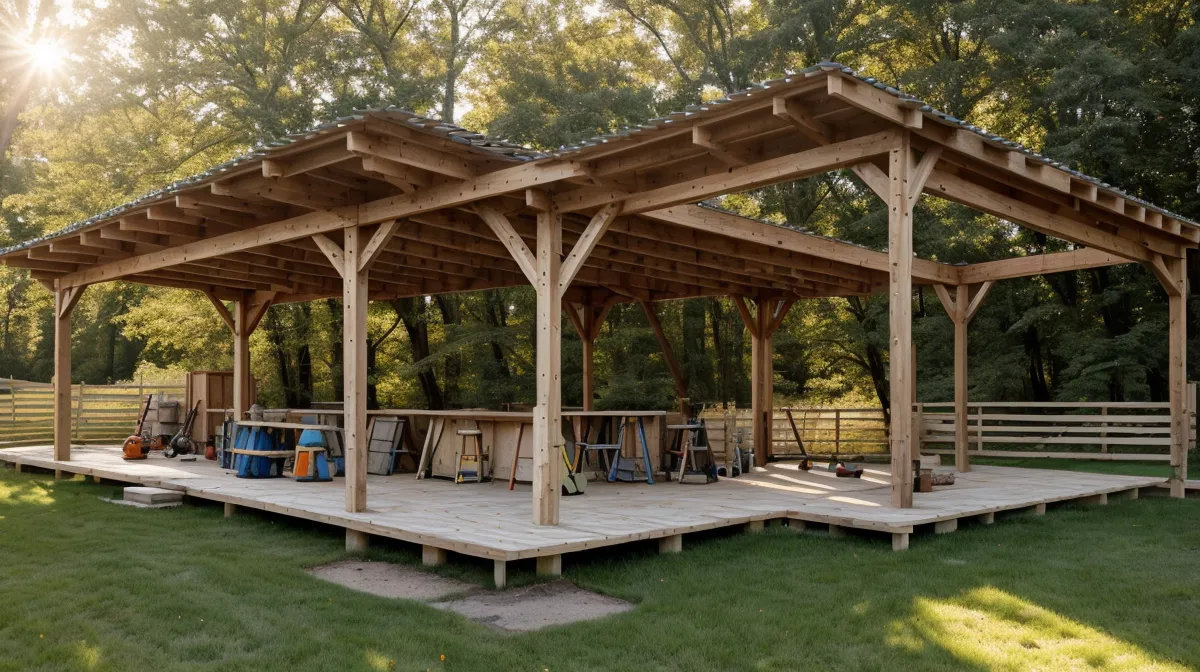
A blurry photo saved off Pinterest built us a lopsided shed. A single library of woodworking plans — the one at the center of this TedsWoodworking review — built almost everything on our half-acre since: a deck, a chicken coop, half a workshop, and eventually, we swear, a finished pergola. That's the gap between backyard building on a guess and backyard building with an actual set of plans, and if you've ever stood in your own yard holding a tape measure with zero idea what to do next, you already know which side of that gap you'd rather be on.
Quick disclosure before we get into it: this post has affiliate links in it, and if you buy through them we get a small commission at no extra cost to you. We're not writing this as some detached comparison — we've used these blueprints on our own property for over a year now, so everything below comes from actually building the thing, screws and all.
Guessing is how we used to build things, and it's also roughly how she found TedsWoodworking one night while scrolling instead of watching whatever was on TV. Sixteen thousand plans sounded made up when we first saw the number. Nobody needs that many, right? But once you've been as bad at measuring once and cutting twice as I have, you stop questioning why a library that size exists and just get grateful for it. If you want the whole embarrassing story of how we got here, that's why we stopped winging it in the first place.
Sixteen Thousand Plans Versus One Blurry Photo
Proof this whole plan-following thing actually worked came fast. About four weeks into that first build, I stood at the door during a hard rain and watched water sheet straight off the roofline while every tool inside stayed completely dry — no leaks, no scrambling for a tarp. Low bar, maybe. But after a summer of guessing, dry tools during a downpour felt like we'd actually won something.
Every plan comes with a real cut list, and that alone fixed our biggest backyard building problem: showing up at the lumber aisle without a clue. We used to make four trips to the hardware store in a single Saturday — picture grocery shopping with no list, except everything you forget means another round trip — and the guys behind the counter had started giving us a look somewhere between pity and concern. Buy exactly what the cut list says, and you don't go home with a stack of scrap 2x4s rotting in the yard for a year.
The Learning Curve of a 16,000-Plan Library
Logging into the portal the first time felt like opening a streaming app and forgetting what you actually wanted to watch; there's a raised-bed plan, a dog house, a jewelry box, a pergola, and roughly fifteen thousand other things fighting for your attention. ALL of it, at once, the second you log in. It took us something like forty minutes just to stop clicking on random categories and find the outdoor section. Once we landed on an actual deck design, though, the difference between this and the vague, half-finished sketches you find on random blogs was night and day.
She's the one who prints the schematics and marks up wherever the joinery needs extra attention, and I'm the one who gets the saw ready and still measures something wrong anyway. Dale — our next-door neighbor, a retired county roads supervisor who leans over the fence with opinions whether you asked or not — took one look at our deck railing and called the balusters "sissy lumber," which is his phrase for anything under a 2x6. He'd said something similar about our footing depth earlier that spring, and annoyingly, he was right both times. Having an actual 3D view of how a beam sits on a post, instead of guessing, is the difference between something that survives a Carolina thunderstorm and a leaning tower of lumber.
The Chicken Coop Put the Plans to the Real Test
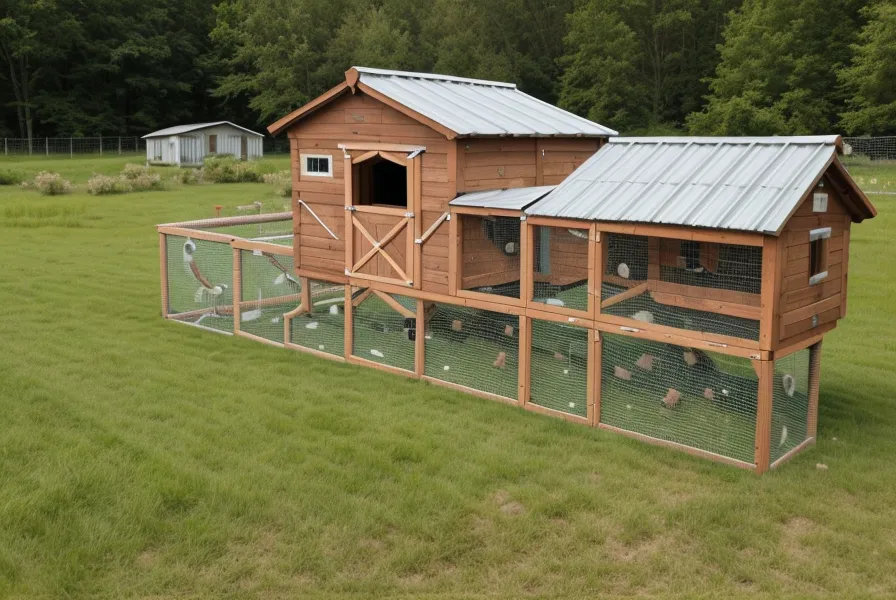
The coop is where all of this got tested for real. Our chickens had outgrown the plastic brooder in the mudroom by late fall, and let's just say the smell alone was motivating. Pricing out a pre-built coop made the plans look like pocket change by comparison, so we pulled one from the TedsWoodworking library and decided to build it ourselves instead.
That plan was specific enough that even I couldn't mess up the nesting boxes, which is saying something. It wasn't clean — there was mud everywhere, and at least one screw box I dropped in frustration — and the trim taught us a separate lesson entirely: we'd used regular drywall screws on the outside trim that fall, and by January they'd rusted clean through and bled orange streaks down the siding all winter. Lesson filed away for the next build. Try explaining to an impatient chicken why the coop still isn't finished — good luck with that. They didn't care about any of it. They just wanted out of the mudroom.
Flat, level ground doesn't really exist out here, whatever some of these plans assume. We had to figure out deck blocks and shims on our own since more than a few plans assume you're building on a yard as flat as a pancake. The actual framing steps, though, are solid enough that we later used the same approach to finally get around to storing wood for winter with a rack that actually stays upright.
Which Plan Library Actually Fits Your Outdoor Projects?
Ruben, from three lots down, watched enough of this from his driveway that he eventually knocked on our door asking how we'd settled on our post spacing. He owns every tool you could name and has never once opened an instruction manual in his life, so naturally he wanted the short version instead of just reading his own plan. Not every plan library fits every yard, and that's worth saying plainly.
If you're building something more foundation-heavy — a proper workshop or a garden shed — My Shed Plans leans harder into that territory, with foundation and permit guidance that saved us an extra call to the county office when we started framing ours. TedsWoodworking's broader library assumes a bit more of that groundwork already, and some plans skip over which posts need pressure-treated lumber and which don't, so that's homework you handle yourself either way.
For anyone trying to turn a half-acre into an actual working homestead — coops, garden systems, water collection, all of it — The Self Sufficient Backyard reads more like a how-to-live-off-your-land manual than a stack of blueprints. For pure building plans, and for sheer volume of options, we still reach for Teds first.
Worth the Price of a Few Steaks?
Here's the honest comparison: the whole library costs about what you'd spend on two decent steaks, or one trip to the hardware store where you buy the wrong size bolts and have to go back anyway. It paid for itself the same weekend we built the coop. With sixteen thousand options, you're not just finding a plan — you're finding the right plan for your specific yard and your specific skill level, which for us started out pretty close to zero.
We've since used it for a raised bed system that hasn't rotted through a single season, a potting bench sized properly to her height so her back doesn't ache after an hour of planting, and the framing for the workshop — which, fine, is still short a wall, but the OSB is up on two sides now and that counts as progress. If you're standing in your own backyard feeling overwhelmed, don't just start cutting wood. Find a set of plans that actually tells you what to do first. It'll save your wallet, your weekends, and possibly your marriage.
Final Thoughts From the Mud Pit
Looking out at the half-acre now, it doesn't read as a fixer-upper anymore; it reads as a yard full of things we actually built ourselves. The deck hasn't budged through two winters, the coop is holding up just fine, and I still have all ten fingers, which honestly feels like the bigger accomplishment some days.
If you're tired of overpaying for someone else's schedule, or staring at a stack of lumber with zero clue where to start, do yourself a favor and grab the TedsWoodworking library. It's genuinely the reason two people with more stubbornness than experience have managed to turn a mud pit into an actual home. Keep the plans open on a tablet while you cut, and keep something cold nearby for when the clay decides to fight back.